Where to Sell Collectibles Online: How to Choose the Right Marketplace
A practical guide to choosing a selling channel, preparing accurate listings, and reaching collectors who understand the details.
If you are searching for where to sell collectibles, the best answer depends on the item, the buyer you want to reach, and how much work you want to do yourself. You can sell through a general marketplace, a specialist auction house, a dealer, a local event, or a collector-focused marketplace such as Colnect.
Where can you sell collectibles online?
There are several common routes. Each one has a different balance of reach, control, effort, cost, and audience quality.
Broad reach and familiar buying habits, but your item competes with many unrelated products.
A more relevant collector audience and better category context, with fees and rules to compare.
Useful for valuable or unusual collections that may benefit from appraisal and expert handling.
Personal contact and convenience, but the available audience may be limited by geography.
Collector-focused marketplaces are built around the way hobbyists search. Items can be connected to catalogs, collection records, wish lists, swap lists, and collector profiles. Colnect describes its Marketplace as a way for members to buy and sell collectibles using community-created catalogs and personal inventory. Learn more about Colnect Marketplace.
What makes a good place to sell collectibles?
Colnect’s music-record marketplace provides filters for condition, country, year, seller country, accepted payment method, price, listing timing, and sorting preferences. Browse the music-record marketplace.
How to prepare a collectible for online sale
Identify the item accurately
Start with the catalog or reference source that best matches your category. Check the artist, title, manufacturer, country, year, format, edition, language, catalog number, and any other detail that distinguishes one item from another.
For music records, useful details may include the label, release year, country, format, pressing information, sleeve condition, record condition, and whether the item is complete with its original packaging.
Record condition and variations
Use a consistent condition scale and describe defects honestly. If the sleeve has a tear, the record has scratches, or a label is damaged, mention it clearly. Colnect’s help guidance recommends grading items carefully and choosing the worse condition when uncertain rather than creating unrealistic expectations.
Take clear photographs
Use enough light to show the item. Photograph the front, back, labels, important markings, and any damage. For records, include the disc, sleeve, inner sleeve, labels, and identifying information when those details affect the item’s identity or condition.
Set a realistic price
Compare similar items, but do not assume every listing represents a completed sale. Consider condition, completeness, rarity, demand, shipping, currency, and how quickly you want to sell.
Write a short, specific description
Lead with details that are unique to your item. If the marketplace already provides general catalog information, use your description to explain condition, special features, included parts, and anything the buyer should know before ordering.
How to sell collectibles on Colnect
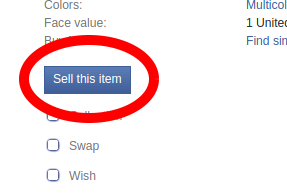
The current Colnect workflow begins with a catalog record. A seller locates the item already present in a Colnect catalog, selects the option to sell it, and completes the listing details. These details include price, condition, images, description, listing duration, and other seller settings supported by the current interface.
Colnect’s help page states that sellers can use catalog pictures and information in listings and can add photographs of the actual item. It currently allows up to five images per listing. Read the official selling guidance.
- Find the catalog record. Confirm that it matches the physical collectible.
- Select “Sell this item”. Start the individual listing from the item page.
- Add condition and price. Be precise and use the correct currency settings.
- Add listing details and photographs. Explain what makes your copy different.
- Publish and communicate. Keep the listing accurate and respond clearly to interested collectors.

A single listing can also contain a lot of items. Colnect’s current help page states that sellers can combine items, including items from different categories, with a limit of 100 items per listing. Confirm the live help page before publishing a lot with a large number of items.
Selling versus swapping collectibles
Selling is usually the better route when you want payment for an item. Swapping may be more useful when you have duplicates and want to acquire something specific without buying every missing piece.
If you prefer an exchange, add items you actually own to your Swap list and items you want to receive to your Wish list. Colnect’s Auto-Matching and Best Matches tools can help identify potential collector connections, but the participants still need to communicate and agree on the exchange. Review the collecting FAQ.
Seller checklist
- Item identity, edition, country, year, and format.
- Condition, quantity, and visible damage.
- Clear photographs of the actual item.
- Price, currency, payment method, and shipping terms.
- Listing duration and any renewal settings.
- That your collection records do not offer an item you no longer have.
After publication, check the listing as a buyer would see it. Make sure the main photograph is clear, the title identifies the item, and the description adds useful information instead of repeating the catalog record.
Frequently asked questions
What is the best place to sell collectibles online?
The best place depends on the item and the audience you need. A specialist collector marketplace may be a strong fit for niche items because buyers can search using category-specific information, while an auction house or dealer may suit a high-value collection that needs expert handling.
How do I sell collectibles online for the first time?
Identify the item accurately, record its condition, take clear photographs, set a realistic price, and choose a marketplace with a relevant audience. Start with one item so you can learn the listing and communication process before uploading a larger inventory.
Is Colnect a marketplace for sellers?
Yes. Colnect’s help page states that every Colnect member can use the Marketplace to sell collectibles. Items offered for sale must already be present in Colnect catalogs, which can reduce the amount of general information a seller must enter manually.
Does Colnect charge marketplace fees?
The current Marketplace terms state that Colnect does not charge a fee for using the Marketplace. The terms also reserve the right to add fees in the future, so sellers should review the live terms before listing.
Should I sell or swap my collectibles?
Sell when you want payment or need to reduce inventory. Swap when you have items another collector may want and would rather exchange them for specific items you are missing.
Ready to list your collectibles?
Selling collectibles online does not have to mean promoting the same item to everyone. Start with one accurately identified collectible and make it easier for interested collectors to find.
Start selling on Colnect

No comments:
Post a Comment
We welcome comments to our blog post but MANUALLY verify each comment. Spam comments will be reported. When asking for an answer on anything Colnect related, please use Colnect's forums. Thanks and happy Colnecting :)